












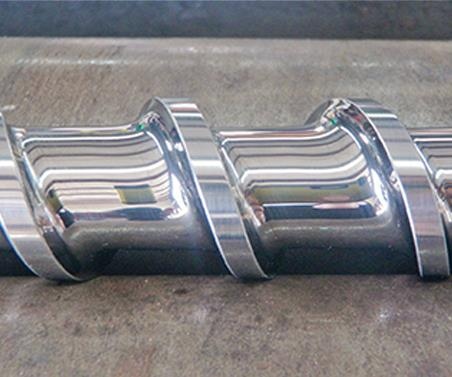
Plastic extrusion machines and injection molders need screw barrels that can withstand high pressures, abrasive wear, and corrosive materials. Finding the right barrel extends equipment life, boosts production, and improves plastic part quality while keeping maintenance costs low. The most common barrel choices available to manufacturers are bimetallic screw barrels and nitrided screw barrels.
Both barrel types are used in thermoplastic processing equipment and machines built to inject or extrude engineering plastics and filled compounds. But when it comes to service life and wear resistance, one lasts longer than the other.
In this article, we’ll compare both bimetallic and nitrided barrels to show you which lasts longer and which is best suited to your processing environment. For precision-engineered screw and barrels, look to Deer Machine’s high performance solutions for plastic extrusion and injection molding machines.
Understanding Screw Barrel Materials
What is a Bimetallic Screw Barrel?
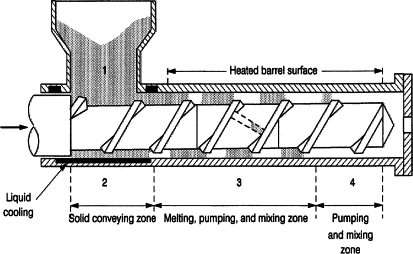
A bimetallic screw barrel is constructed using two different types of metal. The barrel body is made of alloy steel while the inner bore is lined with a thick wear-resistant alloy. The two layers are fused together using centrifugal casting techniques to create a durable bimetallic screw barrel. Elements such as nickel, chromium, boron, and tungsten carbide are common in alloys used for bimetallic barrels. This hard alloy provides excellent wear resistance against abrasion, corrosion, and high temperatures.
What is a Nitrided Screw Barrel?
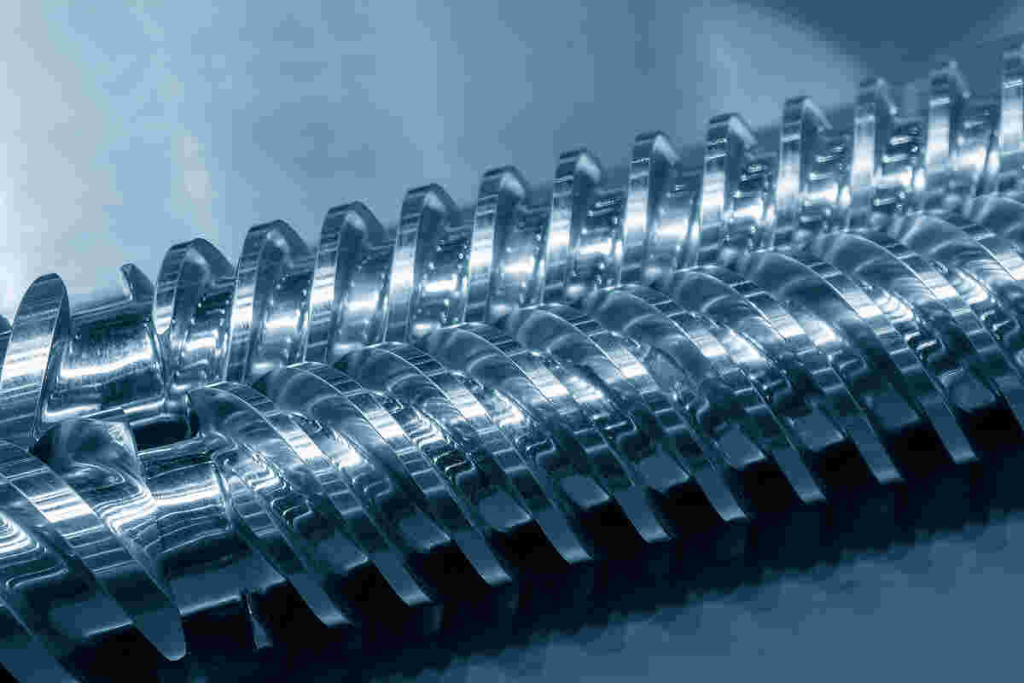
Nitrided screw barrels are made of from alloy steel and then treated using a heat treatment process known as nitriding. During the heat treatment process, nitrogen is infused into the outer surface of the alloy steel screw barrel.
The result is a harder surface with increased surface hardness, reduced friction, and improved moderate wear resistance. Nitrided barrels are among the most common barrels used for general purpose plastic processing applications.
Main Differences in How They’re Made
The primary difference lies in their structural design and manufacturing processes.
Bimetallic barrels rely on a thick, specialized inner alloy layer bonded to a steel body, while nitrided barrels depend on surface hardening achieved through heat treatment. This structural distinction directly influences their durability and resistance to wear.
Durability Comparison: Bimetallic vs. Nitrided Screw Barrels
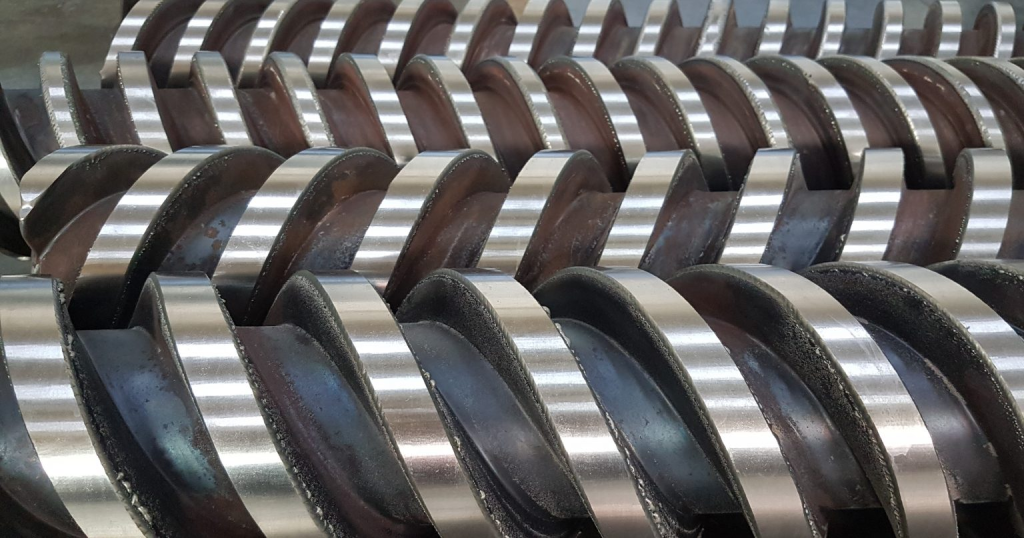
Each type has its advantages and disadvantages. The main deciding factor for barrel wear is the type of plastic being processed.
Bimetallic vs Nitrided Screw Barrel Wear Resistance
Most wear on screw barrels is caused by mechanical abrasion. When processing abrasive materials such as glass-filled nylon or calcium carbonate filled plastics the inner surface of the barrel will slowly wear away.
Nitrided barrels are susceptible to wear because after the hardened case layer wears away the softer substrate is left exposed.
For abrasive processing applications, bimetallic barrels offer a thick layer of highly abrasion resistant alloy. The substrate is also much harder than a standard steel barrel. Bimetallic barrels are ideal when run speeds are high or when abrasive plastics are processed regularly. Overall bimetals will last significantly longer than nitrided barrels when being used in abrasive conditions.
Corrosion Resistance
When processing corrosive polymers such as PVC or filled flame retardant plastics gases are released that can attack the barrel surface. These plastics can cause gradual wear to nitrided barrels. Nitrided barrels will hold up well against corrosion for a decent amount of time.
Bimetallic barrels can be built using corrosion resistant alloys for the inner lining. This provides better corrosion resistance than a nitrided barrel. When processing corrosive materials bimetallic barrels will outperform nitrided barrels over the long run.
Impact Fatigue
Each time the screw is cooled and heated there is physical stress applied to the barrel. For nitrided barrels, the whole barrel is made of steel so it has very good toughness properties.
Modern bimetallic technology allows for a balance between hardness and physical strength of the barrel. Bimetals are designed not to fail under high injection pressure cycles. When considering impact and fatigue, bimetals will usually outperform nitrided barrels during long production runs where there is both abrasion and corrosion.
Nitrided Screw Barrel Service Life Factors
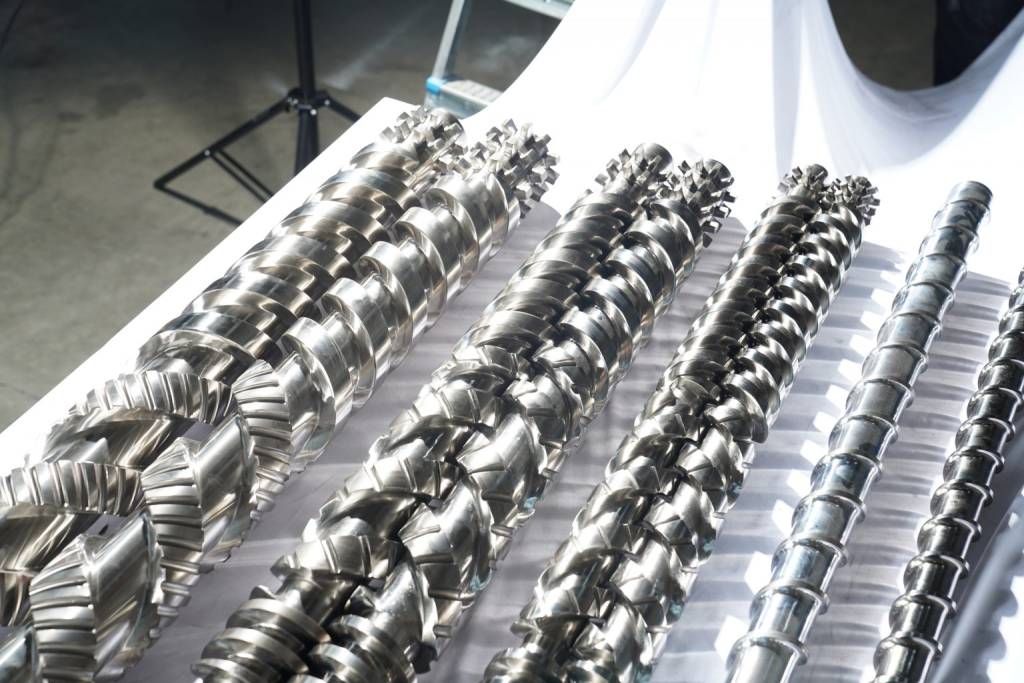
Material Being Processed
The type of plastic being processed has a major impact on how long your barrel will last. Commodities such as polyethylene (PE) or polypropylene (PP) are not very abrasive so a nitrided barrel will work fine. However, when processing glass fiber reinforced plastics, mineral filled plastics, or abrasive engineering plastics you want the extra wear life of a bimetallic barrel.
Processing Conditions
The hotter the processing temperature, the faster you run the screw, and the higher injection pressure you run, the faster you will wear out your barrel. Continuously running the screw without cooling or temperature control will also decrease the life of your barrel. Ensuring proper machine settings can reduce wear on your bimetallic or nitrided barrels.
Maintenance
Cleaning your barrel between material changes, properly purging your barrel, and keeping screw to barrel clearance are all important factors in helping your barrel last a long time. Neglecting maintenance is one of the quickest ways to decrease service life, even if you have a bimetallic barrel.
Operating Environment
If you process corrosive materials, your environment can also play into the corrosion of the barrel. If you’re in a location with a lot of moisture or poor ventilation, this can affect how long your barrel lasts, especially nitrided barrels.
Performance in Industrial Applications
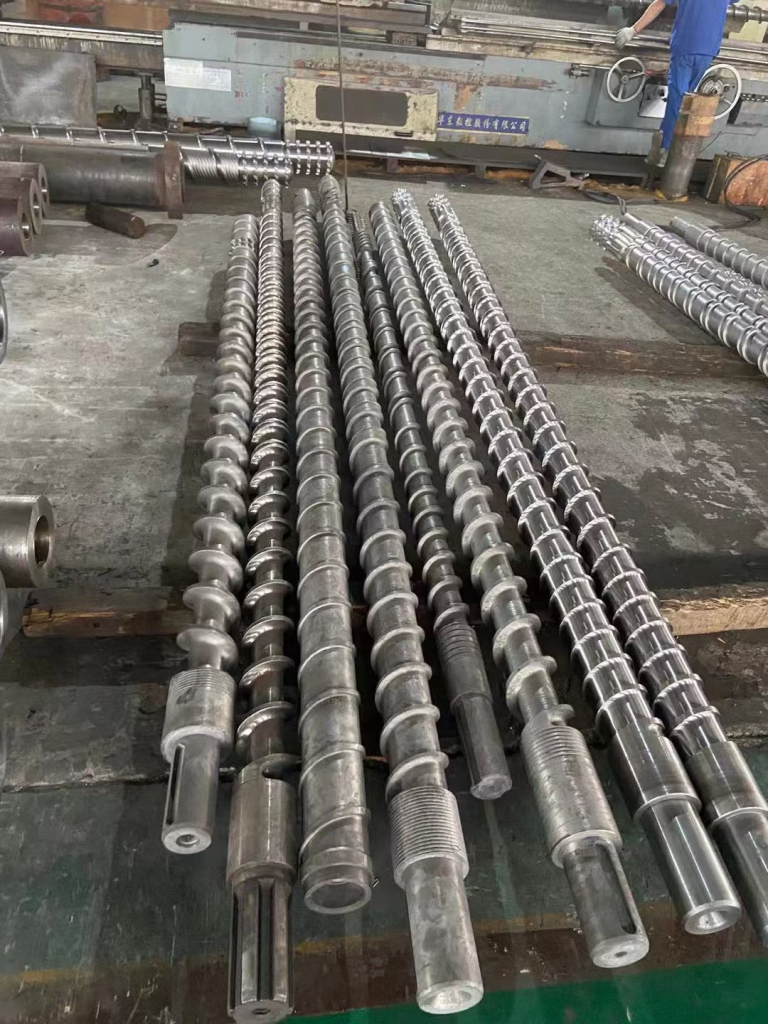
Plastic Extrusion / Injection Molding
Non abrasive plastics are normally fine when using a nitrided barrel. Nitrided barrels are cheap and provide enough wear resistance for standard plastic extrusion and injection molding applications. When running long production cycles or abrasive plastics you will usually get longer life out of a bimetallic screw barrel.
Abrasive Materials
If you regularly process recycled plastic, fiberglass reinforced plastics, mineral filled plastics, or glass beads you will experience extreme inner bore wear. Bimetallic barrels provide a great advantage when running abrasive materials.
Corrosive Materials
Some plastics release gases that will corrode your barrel. If you process PVC, fluoropolymers, or filled flame retardant plastics you should consider a corrosion resistant bimetallic barrel.
Cost and Long-Term Investment
Initial Investment vs. Lifespan
Nitrided barrels cost significantly less than bimetallic barrels. If you’re looking for a low budget solution and process mild conditions then nitrided barrels are a great option. If you process filled or reinforced plastics then your nitrided barrel will have to be replaced more often. Bimetallic barrels have a higher initial cost but will save you money in the long run when running abrasive or corrosive conditions.
Repair / Rebuild
Nitrided barrels can’t be retreated if there is too much wear on the bore. You would have to purchase a new barrel. Some bimetallic barrels are refurbishable if the wear isn’t too deep.
Return on Investment
If you are looking at overall cost of ownership including downtime, maintenance cost, and production inconsistencies, then you should look into how long bimetallic barrels last versus nitrided barrels. For most abrasive or corrosive applications, bimetallics will provide you with a greater return of investment.
Selecting Bimetals vs Nitrided barrels
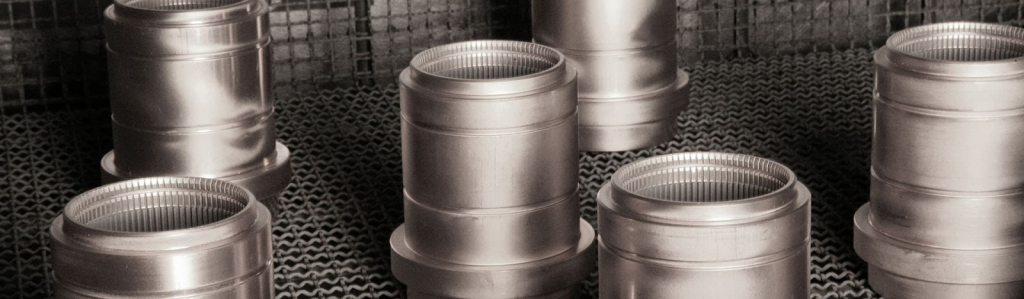
If you process general commodities or fillers/bcolors that are not abrasive then a nitrided barrel will work fine. If you process glass fiber reinforced plastics, minerals filled plastics, or corrosive materials, then chances are you should use a bimetallic barrel. Contact the experts at Deer Machine to ensure you get the right screw barrel for your application.
Mistakes to Avoid
Picking a screw barrel because of the price alone. Make sure you look at total cost of ownership. Also trying to process too much fill or fiberglass without switching to a bimetallic barrel. Last but not least, don’t neglect your maintenance schedule.
Selection Tips
Before selecting a screw barrel ask yourself these questions:
- What is your processing temperature?
- What is the average amount of fill you run?
- How much do you run in a year?
- What was the cause of your last barrel’s wearout?
By asking these questions you should be able to decide which screw barrel is right for you.
Conclusion
Nitrided barrels provide a good wear resistant surface and are cheaper than bimetallic barrels. Bimetallic barrels provide great wear life when running abrasive materials as well as corrosion resistance. If your process contains abrasion, you should consider a bimetallic screw barrel because they will last longer. If you process mild conditions, choose a nitrided barrel because it will likely last just as long as a bimetallic barrel.
Ready to Upgrade Your Screw Barrel Performance?
No matter whether you have to use a long-lasting bimetallic system of abrasive materials or a low-price nitrided barrel of general-purpose plastics, you will see the difference when you deal with an experienced manufacturer.
Deer Machine focuses on super-accurate screw and barrel systems that are involved in the hardworking industrial processes and assist you to analyze your processing materials, volume production, and operational conditions to prescribe the most appropriate solution to performance over the long run and ROI.
Contact Deer Machine to learn more about your technical needs and how a proper screw barrel can increase productivity and consistency, as well as overall manufacturing efficiency.
FAQs
What are the main distinctions in the wear resistance between nitrided and bimetallic screw barrels?
Bimetallic barrels are able to offer better wear resistance because they have a thick lining made of alloy that is specially coated to resist abrasive substances. Nitrided barrels are based on a thinner hardened surface, resulting in a medium level of protection and the likelihood of wearing out sooner in tough conditions.
What is the comparison between the operation life of bimetallic screw barrels and the nitrided ones under similar conditions?
In like processing circumstances, the bimetallic barrels tend to exhibit longer service life particularly with reinforced or filled plastics. Low-abrasion applications can be satisfactorily run in nitrided barrels, but otherwise are not as durable as bimetallic designs.
Which processing conditions are bimetallic screw barrels normally found superior to the nitrided ones?
Bimetallic barrels are good in conditions where there are glass fiber-reinforced plastics, recycling material, mineral filler, and corrosive polymers. Their alloy lining gives them enhanced mechanical wear resistance as well as chemical attack.
Is it possible to improve the performance of nitrided screw barrels in order to increase their life cycle to bimetallic ones?
Although optimized maintenance, controlled process conditions, and better surface finishes can be used to produce better nitrided barrel performance, it tends to be unable to provide the same performance as bimetallic barrels in highly abrasive or corrosive environments.
How do the processability of abrasive or corrosive substances affect the life of bimetallic screw barrels and nitrided screw barrels?
Wearing away of the surface of nitrided barrels occurs gradually due to the abrasive materials that cause the erosion process, particularly after the hardened layer has been penetrated. This erosion is better resisted because bimetallic barrels have a thick alloy lining. Barrel attacks on corrosive materials can be chemically resistant, and bimetallic alloys will resist attacks from corrosive materials.
Do the same maintenance practices increase the service life of bimetallic and nitrided screw barrels?
Yes, they can be cleaned properly, checked regularly, controlled in terms of temperature and purged appropriately to greatly increase the lifespan of both types. Nevertheless, despite the high-quality maintenance, the compatibility of materials is the most significant aspect of overall durability.