














Screw barrel
Metal-to-Plastic Conversion: Benefits and Design Limits
Replacing steel with plastic does not mean copying a metal part in a cheaper, softer material. Successful metal-to-plastic conversion starts
Replacing steel with plastic does not mean copying a metal part in a cheaper, softer material. Successful metal-to-plastic conversion starts
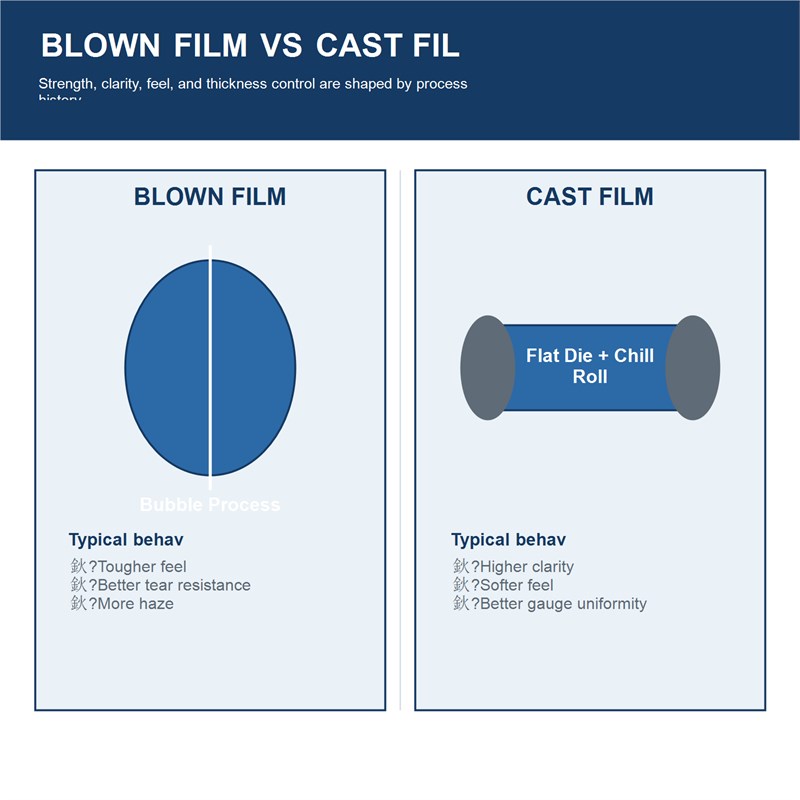
Many processors, converters, and packaging buyers ask the same question: if blown film and cast film can start from similar
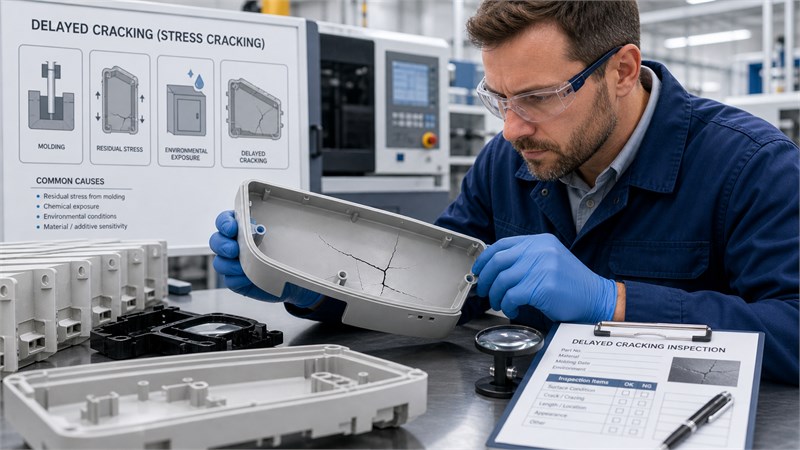
ABS parts sometimes leave the molding machine looking perfect, only to develop cracks days later. This is one of the
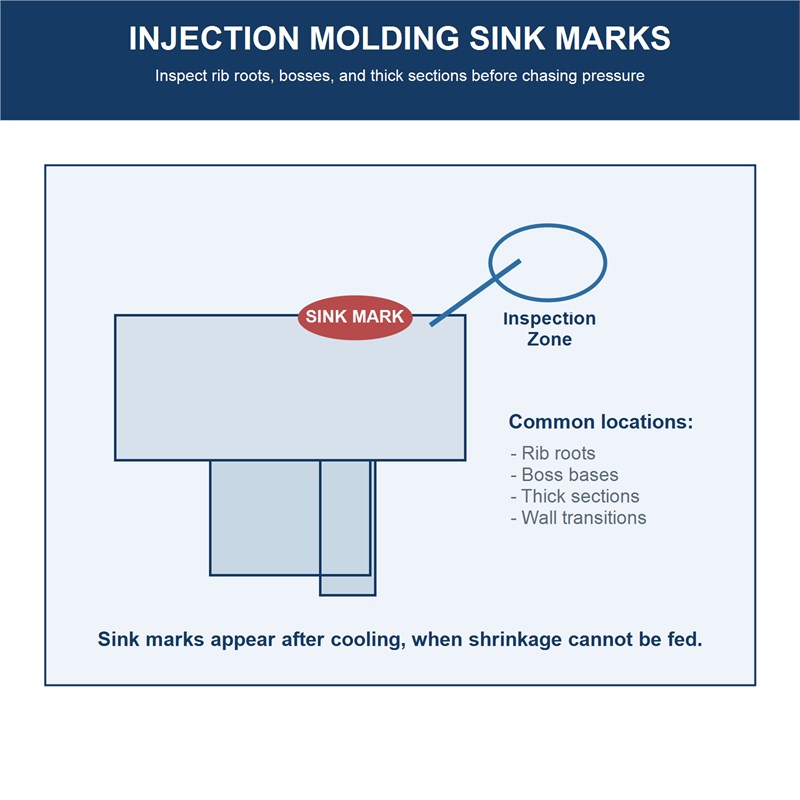
Sink marks are one of the most frustrating cosmetic and dimensional defects in injection molding. A part can look fully
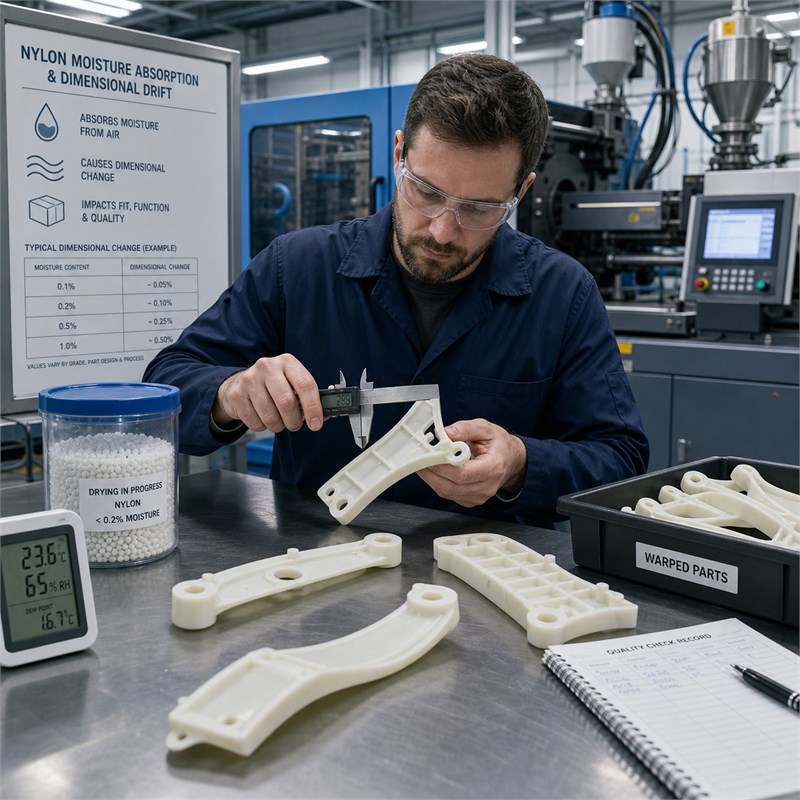
Many processors have seen the same confusing problem. A nylon part leaves the press within dimensional tolerance, looks fine during
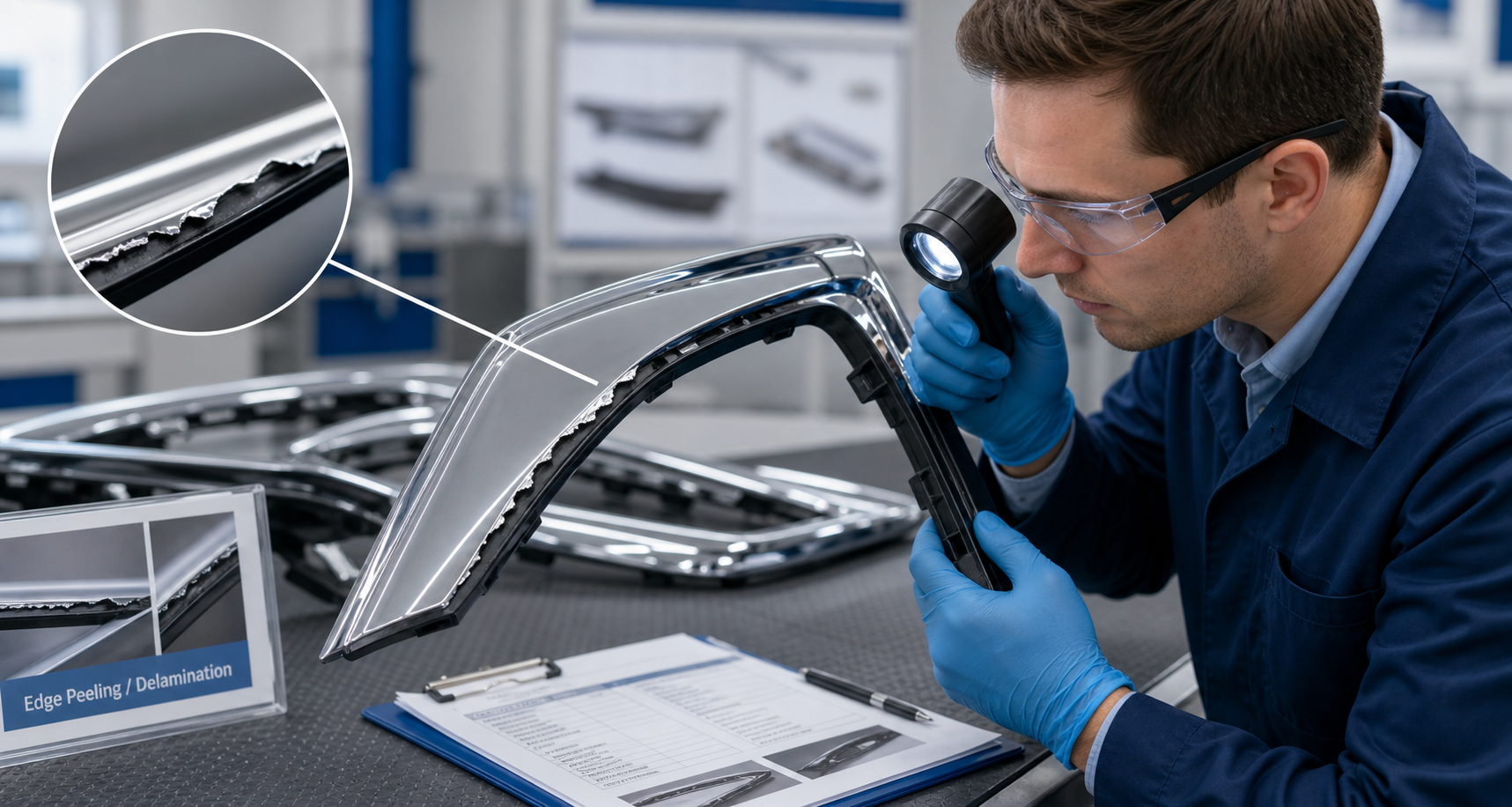
Chrome peeling on plated plastic parts is one of the most frustrating quality problems in decorative electroplating. A part may

When companies buy PP glass fiber regrind, many rely heavily on ash content testing to judge material quality. This single

Injection molding black specks might just look like a cosmetic issue, but it’s actually a sign that something is failing

The screw is the base of the plasticizing unit that melts, mixes, and dispenses the polymer melt with precision into

Does your extruder occasionally spit out thick and thin areas as if it were breathing? When your extruder surges, product