












High-Density Polyethylene is a plastic you’ll find almost everywhere. It is known for its strength, easy recyclability, and lightweight design. Also, it is commonly used in industries such as food packaging, automotive, consumer goods, construction, and agriculture. This guide explains HDPE’s properties, advantages, and uses.
What to Know About HDPEs
HDPE, a thermoplastic polymer, is made from petroleum. It has a dense molecular structure with little branching. That is why it has higher strength and stiffness than Low-Density Polyethylene or LDPE.
This structure makes HDPE:
- Strong yet lightweight
- Cost-effective
- Resists chemicals, moisture, & impact
- Highly recyclable
HDPE is represented by the Resin Identification Code #2. This code is accepted in recycling programs. So, it is eco-friendly and practical.
HDPE Properties Explained

Mechanical Properties
- Impact Resistance: Withstands rough handling and dropping.
- Flexibility: Strong yet bendable. Can be used for films and piping.
- Tensile Strength: Excellent load-bearing capacity compared to LDPE.
Physical Properties
- Melting Point: 120–180°C (248–356°F).
- Density: 0.93–0.97 g/cm³, higher than LDPE.
- Appearance: White or translucent. Can be colored easily.
- Crystallinity: High crystallinity adds tensile strength and rigidity.
Chemical Properties
- Non-corrosive and does not degrade easily.
- Resistant to acids, alcohols, bases, and many solvents.
- Low permeability against chemicals and water.
Additional Characteristics
- Weather Resistant – Withstands UV exposure in stabilized grades.
- Food-Safe – Non-toxic & BPA-free.
- Lightweight – Easier to transport and process.
- Recyclable – Can be processed easily into new products.
HDPE stands out because it has a rare combination of safety, strength, and sustainability. Unlike many plastics that excel in only one or two areas, HDPE has a balance of performance and cost-effectiveness. This is why it’s so widely used.
Main Features

1. Durability That Lasts
HDPE can resist impact, wear, and harsh environments. Whether it’s a pipe buried underground for many years, a child’s toy that survives years of play, or an outdoor bench exposed to rain and sun, HDPE can maintain its shape and strength over time. Its long lifespan makes it reliable and also economical.
2. Safe for Food & Everyday Use
As a non-toxic and BPA-free plastic, HDPE is approved by food safety authorities worldwide. That’s why it’s trusted for cereal box liners, milk jugs, water bottles, and household containers. It doesn’t leach dangerous chemicals. So, consumers can be confident that the products they use daily are safe.
3. Lightweight Yet Strong
Few materials can match HDPE’s ability to be lightweight and sturdy. A thin HDPE container can carry liters of liquid without tearing. This makes it ideal for packaging and transport. In industries like construction and automotive, this quality reduces costs and boosts efficiency.
4. Chemical & Corrosion Resistance
HDPE doesn’t react with most bases, acids, or solvents. This resistance is why it’s chosen for mining liners, chemical storage tanks, and fuel tanks. Unlike metals, HDPE won’t rust or corrode. Also, unlike some plastics, it won’t weaken when it’s subjected to harsh substances.
5. Weather & UV Resistance
Some HDPE grades are stabilized to resist sunlight and outdoor exposure. From garden furniture to agricultural films, HDPE products can keep their strength and color even after years of being outdoors.
6. Cost-Effective & Easy to Process
HDPE can be extruded, molded, or blow-molded into almost any shape. Manufacturers appreciate its processing flexibility and relatively low cost than engineering plastics like ABS or polycarbonate. Its performance and affordability help industries produce durable HDPE products without driving up prices.
7. Recyclability &Sustainability
As one of the most recycled plastics (code #2), HDPE supports a circular economy. It can be used in bottles and containers. Also, these can be collected, processed, and turned into new products like furniture, pipes, or bins. Its recyclability lowers landfill waste and saves energy. So, it is more sustainable than many alternatives.
Wide Range of Applications
1. HDPE Films

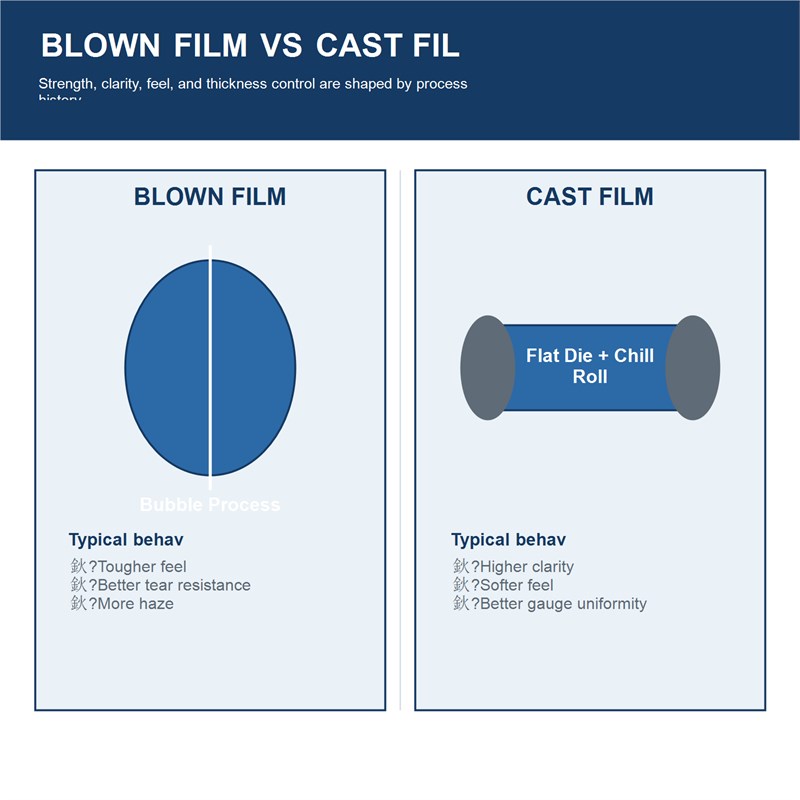
HDPE films stand out due to their toughness, low coefficient of friction, and resistance to abrasion and cracking. They are safe for food contact because they don’t retain harmful bacteria. They also withstand cleaning agents.
In packaging, HDPE is commonly added with these materials:
- Polyethylene naphthalate (PEN): more expensive but offers better high-temperature performance. So, they are suitable for hot refills and reuse while protecting against flavor and odor transfer.
- Polyethylene terephthalate (PETE): lightweight, shatter-resistant, transparent, and widely used for trays, bottles, and snack wrappers.
You can also use HDPE films in agricultural coverings, industrial packaging, and notebook covers.
2. HDPE Pipes

HDPE pipes are among the most common applications. They are used for their leak-proof joints, strength, and resistance to corrosion and chemicals. Unlike traditional pipes, fused HDPE sections have a zero-leak rate. Because of that, HDPE pipes are more reliable and environmentally sustainable.
Industries using HDPE pipes are:
- Construction: house connections, cold-water distribution, and air-conditioning ducting.
- Civil engineering: water mains, sewer systems, service pipes, and conduits for electrical cables.
- Agriculture: suction lines, irrigation systems, and drainage.
- Mining: underground pipelines, slurry transport, and surface operations.
- Industrial: chemical conveyance, sewage and sanitary piping, and potable water distribution.
- Marine and aquaculture: supply lines, floating structures, and trenchless installation methods.
Choosing a reliable supplier is important. Good suppliers handle bulk production, invest in research, and maintain high standards while offering fair pricing.
3. HDPE Sheets
HDPE sheets combine durability, lightness, and chemical resistance. Due to that, they are suitable for diverse industries and applications such as:
- Chemical tanks, ducting, and fume cabinets.
- Chain guides, wear strips, and industrial machine parts.
- UV-protective sheets and tarpaulins for weather-resistant structures.
- Automotive parts such as dam linings and mud flaps.
Outdoor furniture is another use of HDPE. Picnic tables, lounge chairs, and benches made from HDPE sheets are low-maintenance and resist cracking. They are also available in various colors and designs. HDPE furniture is an attractive and long-lasting alternative to metal or wood furniture.
4. HDPE Bottles

Bottle-grade HDPE can be used for blow molding to create durable and lightweight packaging. Many bottles are produced from recycled milk containers that are blended with virgin HDPE to improve strength and processing consistency.
HDPE bottles are used in:
- Household cleaning products.
- Beverages and dairy packaging.
- Industrial liquids and chemicals.
Aside from bottles, HDPE’s versatility extends to pipes, bins, and agricultural products. Its recyclability and low environmental impact make it an eco-friendly packaging choice.
5. HDPE Fittings

Compression fittings made from HDPE are commonly used in irrigation and water supply systems. When reinforced with stainless steel, they can withstand even harsher applications.
Common types of HDPE fittings are:
- Elbows (ells), end caps, and reducers.
- Molded tees & fabricated tees.
- Butterfly valve spacers.
- Wyes, transition fittings, saddles, and water stoppers.
These fittings are leak-proof, durable, and versatile. You can use them for agriculture, plumbing, and industrial projects.
Comparison with Other Plastics
HDPE vs PP or Polypropylene:
Both are durable and lightweight. However, polypropylene has a higher melting point. Therefore, it is better for hot-fill applications. HDPE, however, is more impact-resistant. It performs better in colder environments.
HDPE vs PVC or Polyvinyl Chloride:
PVC is rigid and commonly used in construction and plumbing. However, it contains chlorine, which raises environmental concerns. HDPE is safer for potable water, lighter, and more flexible, though PVC can handle higher temperatures in some situations.
HDPE vs PEX (Cross-Linked Polyethylene):
PEX is usually used for plumbing since it is flexible and resistant to high temperatures. HDPE is more versatile across industries but less flexible at high heat compared to PEX.
HDPE vs PET (Polyethylene Terephthalate):
PET is transparent and commonly used for beverage bottles. Meanwhile, HDPE is opaque and better suited for products that need chemical resistance. PET is preferred for aesthetics. If you prefer strength and durability, HDPE is better.
Overall, HDPE has a balance of cost, strength, and eco-friendliness. So, it is preferred in many situations.
HDPE Recycling & Sustainability
One of HDPE’s greatest strengths is its recyclability. Categorized as plastic #2, it is one of the easiest plastics to recycle.
Recycling Process
- Collection through curbside bins and recycling centers.
- Sorting, washing, and shredding into flakes.
- Melting and pelletizing into recycled HDPE (rHDPE).
- Reuse in manufacturing new products.
Common Products Made from rHDPE (Recycled HDPE)
- Plastic lumber & outdoor furniture
- Playground equipment
- Storage bins & containers
- Automotive parts
- Trash cans & composters
- Piping & utility products
Their Benefits in the Environment
- Requires less power during production.
- Reduces waste in landfills.
- Supports the circular economy by reusing materials.
Conclusion
HDPE is a durable, versatile, and sustainable material. It continues to shape industries worldwide. Its good balance of strength, lightweight design, and recyclability makes it a leading choice for construction, packaging, agriculture, automotive, and more.
While global sustainability goals rise and recycling technologies improve, HDPE’s importance will also grow. Whether in the form of pipes, jugs, bottles, or recycled outdoor furniture, HDPE is a material that brings safety, performance, and environmental responsibility together.